MY SEARCH ENGINE

Wednesday, July 30, 2025

Day in Review: NASA-ISRO Satellite Lifts Off to Track Earth’s Changing Surfaces

NASA/ JPL/ CalTech
 
Latest News

July 30, 2025

Earth
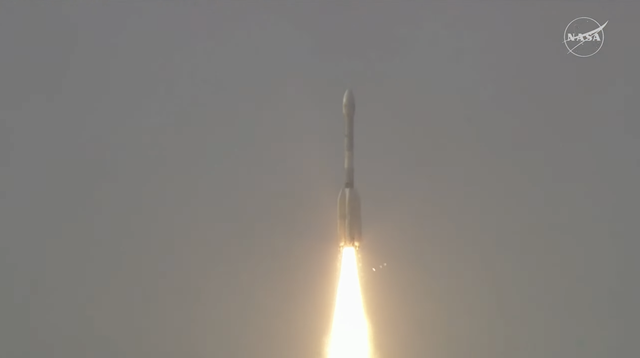
The Indian Space Research Organisation's Geosynchronous Satellite Launch Vehicle lifts off from Satish Dhawan Space Centre on India's southeastern coast at 8:10 a.m. EDT (5:40 a.m. IST), July 30, 2025.
The first-of-its kind satellite will provide actionable information in a range of areas, including disaster response, infrastructure monitoring, and agricultural management. Full Story
@NASAJPL Facebook@NASAJPL TwitterJPL Website@NASAJPL Instagram@JPLnews YouTubeNASA JPL LinkedIn

Wednesday, July 23, 2025

Day in Review: NASA Sets Launch Coverage for Earth-Tracking NISAR Satellite

 
Day in Review

July 23, 2025

Earth
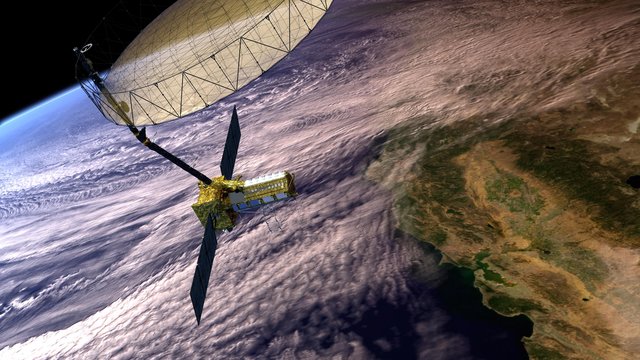
This artist's concept depicts the NISAR satellite in orbit over central and Northern California. Short for NASA-ISRO Synthetic Aperture Radar, NISAR is a joint mission of NASA and ISRO (Indian Space Research Organisation).
A collaboration between NASA and the Indian Space Research Organisation, the satellite will provide a three-dimensional view of Earth in unprecedented detail. Full Story
A close-up astronomical image of the star Betelgeuse, which appears as a vibrant, glowing orange sphere at the center. It is set against a dark, textured background representing space, with a faint, diffuse blue shape visible to the left of the star.

Stars and Galaxies

Discovery of a close companion to the 10th brightest star in our night sky may explain why similar red supergiant stars see changes in their brightness on the scale of many years. Read More
@NASAJPL Facebook@NASAJPL TwitterJPL Website@NASAJPL Instagram@JPLnews YouTubeNASA JPL LinkedIn

Friday, July 11, 2025

Day in Review: Advances in NASA Imaging Changed How World Sees Mar

NASA/ JPL/ CalTech
 
Latest News

July 11, 2025

Mars
This image shows a split view, with a hand-drawn colored rendition of a Martian landscape on the left and a black and white, heavily pixelated image of Mars on the right.
Sixty years ago, NASA's Mariner 4 captured groundbreaking views of the Red Planet, leading to a steady stream of advances in the cameras used to study other worlds. Full Story and Images
@NASAJPL Facebook@NASAJPL TwitterJPL Website@NASAJPL Instagram@JPLnews YouTubeNASA JPL LinkedIn